Introduction
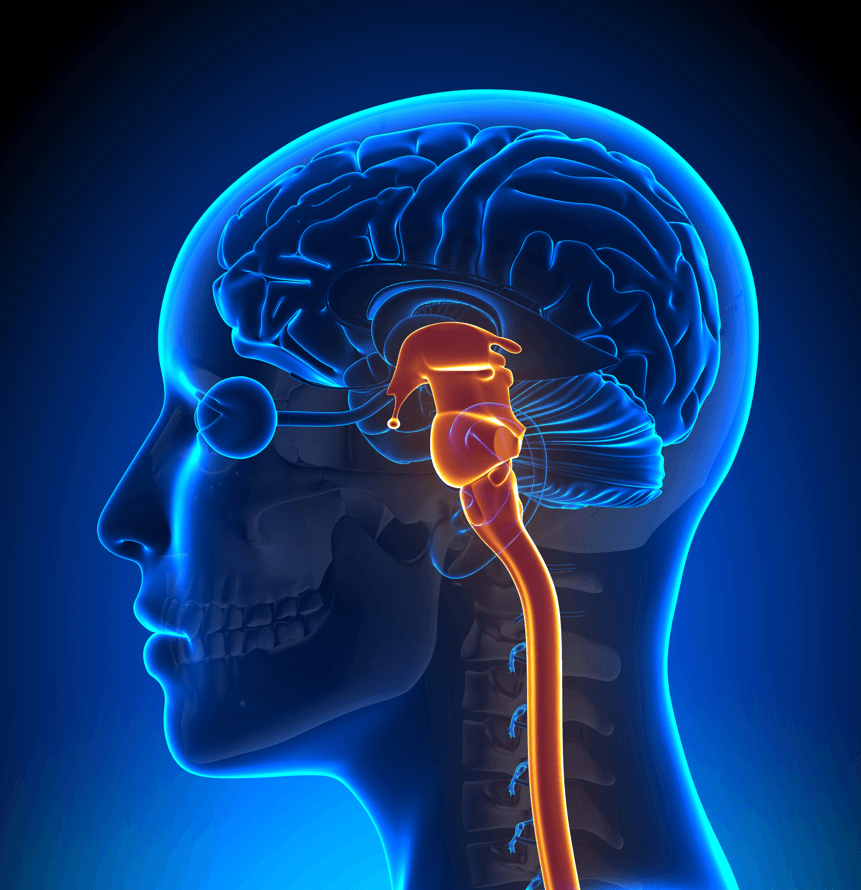
The Brainstem is one of the most critical parts of the human brain. Though small in size, it performs life-sustaining functions such as controlling breathing, heart rate, and consciousness. Positioned between the cerebrum and the spinal cord, it acts as a bridge for signals traveling between the brain and the body. When this vital structure is damaged, the consequences can be severe and sometimes life-threatening. Brain stem damage is a complex medical condition that requires immediate attention and long-term care.
What Is Brain Stem Damage?
Brain stem damage refers to any injury or impairment that affects the normal functioning of the brainstem. Because the brainstem regulates automatic processes essential for survival, even minor damage can disrupt the body’s balance. Unlike other areas of the brain, where injury may affect specific abilities like speech or memory, brain stem damage can interfere with basic life functions.
This type of damage can occur suddenly, such as during a traumatic accident, or develop gradually due to underlying health conditions. The severity of the condition varies widely, ranging from mild dysfunction to complete loss of critical bodily functions.
Causes of Brain Stem Damage
There are several causes of brain stem damage, and they can be broadly categorized into traumatic and non-traumatic factors.
One of the most common causes is traumatic brain injury (TBI), often resulting from accidents, falls, or sports injuries. A direct blow to the head can disrupt the delicate tissues of the brainstem, leading to immediate complications. Another major cause is stroke, particularly when blood flow to the brainstem is blocked or reduced. Conditions like aneurysms or hemorrhages can also lead to sudden damage.
Infections such as encephalitis and meningitis may affect the brainstem if left untreated. Tumors located near or within the brainstem can gradually compress the tissue, interfering with its function. Additionally, degenerative neurological disorders like Parkinson’s disease can indirectly impact brainstem activity over time.
Symptoms and Warning Signs
The symptoms of brain stem damage vary depending on the severity and location of the injury. However, because the brainstem controls essential functions, many symptoms are serious and require urgent medical attention.
Common symptoms include difficulty breathing, irregular heartbeat, and problems with blood pressure regulation. Individuals may also experience dizziness, loss of balance, and coordination issues. In some cases, swallowing and speaking become difficult due to impaired nerve control.
More severe symptoms include loss of consciousness, paralysis, or coma. Vision and hearing disturbances may also occur, as parts of the brainstem are involved in sensory processing. The presence of multiple symptoms often indicates significant damage and necessitates immediate medical evaluation.
Diagnosis of Brain Stem Damage
Diagnosing brain stem damage involves a combination of clinical examination and advanced imaging techniques. Doctors typically begin by assessing the patient’s reflexes, breathing patterns, and level of consciousness. Since the brainstem controls many reflexes, abnormalities in these responses can provide early clues.
Imaging tests play a crucial role in confirming the diagnosis. Techniques such as MRI and CT scans allow doctors to visualize the brainstem and identify areas of damage. In some cases, additional tests like electroencephalography (EEG) may be used to evaluate brain activity.
Early and accurate diagnosis is essential for determining the appropriate treatment plan and improving the chances of recovery.
Treatment and Management
Treatment for brain stem damage depends on the cause and severity of the condition. In emergency situations, stabilizing the patient’s breathing and heart function is the top priority. This may involve the use of ventilators or medications to regulate vital signs.
If the damage is caused by a stroke, treatments may include clot-dissolving drugs or surgical procedures to restore blood flow. In cases involving tumors, surgery, radiation, or chemotherapy may be required. Infections are typically treated with antibiotics or antiviral medications.
Long-term management often includes rehabilitation to help patients regain lost functions. Physical therapy, speech therapy, and occupational therapy play key roles in recovery. While some individuals may recover fully, others may experience permanent disabilities.
Complications and Long-Term Effects
Brain stem damage can lead to a range of complications, depending on the extent of the injury. Some patients may develop chronic breathing problems, requiring long-term ventilator support. Others may experience persistent difficulty with movement, speech, or swallowing.
One of the most severe outcomes is a condition known as locked-in syndrome, where a person is conscious but unable to move or communicate verbally. Emotional and psychological challenges are also common, as patients and their families cope with the impact of the condition.
These complications highlight the importance of early intervention and ongoing medical care.
Prevention Strategies
While not all cases of brain stem damage can be prevented, certain measures can reduce the risk. Wearing helmets during sports and using seat belts in vehicles can significantly lower the risk of traumatic injuries. Managing health conditions such as high blood pressure and diabetes can reduce the likelihood of stroke.
Regular medical check-ups and early treatment of infections can also help prevent complications that may affect the brainstem. Adopting a healthy lifestyle, including proper diet and exercise, contributes to overall brain health.
Conclusion
Brain stem damage is a serious medical condition that affects the most fundamental functions of the human body. Because the Brainstem plays a central role in sustaining life, any injury to this area requires immediate attention and comprehensive care. Understanding the causes, recognizing the symptoms, and seeking timely treatment can make a significant difference in outcomes.
Advances in medical science continue to improve the diagnosis and treatment of brain stem injuries, offering hope for better recovery and quality of life. However, awareness and prevention remain key factors in reducing the impact of this potentially life-threatening condition.