The human brain is the most powerful and complex organ in the body. It controls everything from thoughts and emotions to memory, movement, and decision-making. Yet, despite its importance, brain health is often overlooked until problems arise. A Center for Brain Health focuses on optimizing cognitive function, preventing neurological decline, and improving overall mental well-being.
In today’s fast-paced world, where stress, digital overload, and unhealthy lifestyles are common, taking care of the brain is no longer optional it is essential. This article explores what a Center for Brain Health does, why brain health matters, and how individuals can enhance their cognitive performance and long-term mental resilience.
What is a Center for Brain Health?
A Center for Brain Health is a specialized facility or organization dedicated to understanding, improving, and protecting brain function. These centers combine research, clinical care, and education to help individuals maintain optimal cognitive performance throughout their lives.
Such centers typically focus on:
- Cognitive enhancement and memory improvement
- Prevention of neurological disorders
- Mental health support
- Brain injury rehabilitation
- Lifestyle-based brain optimization
They often bring together experts from multiple disciplines, including neurologists, psychologists, neuroscientists, nutritionists, and fitness professionals. This multidisciplinary approach ensures a comprehensive strategy for brain health.
Why Brain Health Matters:
Brain health is directly linked to quality of life. A healthy brain allows individuals to think clearly, manage emotions effectively, and maintain strong relationships. On the other hand, poor brain health can lead to issues such as memory loss, anxiety, depression, and reduced productivity.
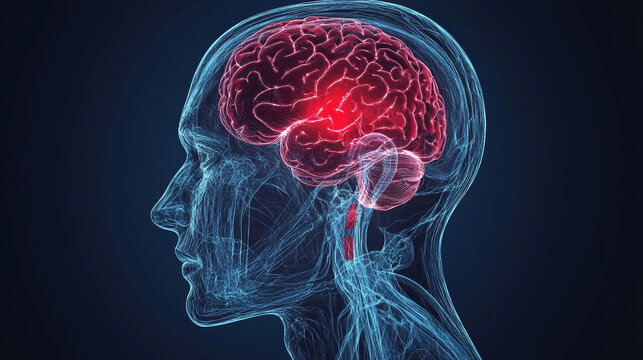
Key reasons to prioritize brain health
1. Cognitive Performance
A healthy brain improves focus, learning ability, and decision-making skills.
2. Emotional Stability
Balanced brain function helps regulate mood and reduces stress.
3. Long-Term Protection
Good habits can lower the risk of age-related cognitive decline.
4. Productivity and Success
Sharper thinking leads to better performance in academics, work, and daily life.
Core Services Offered
1. Cognitive Assessment
Brain health centers begin with detailed evaluations to understand an individual’s cognitive strengths and weaknesses. These assessments measure memory, attention, processing speed, and executive function.
The results help create a personalized plan tailored to each individual’s needs.
2. Brain Training Programs
These programs are designed to improve specific cognitive skills through targeted exercises. Activities may include:
- Memory drills
- Problem-solving tasks
- Attention and focus exercises
- Neurofeedback training
Consistent brain training can enhance neural connections and improve mental efficiency.
3. Mental Health Support
Mental health plays a crucial role in brain function. Centers provide therapy and counseling to address:
- Anxiety
- Depression
- Stress-related disorders
- Trauma
By improving emotional well-being, individuals can experience better cognitive performance.
4. Nutrition and Brain Health
Diet has a direct impact on brain function. Brain health centers often provide nutritional guidance focused on:
- Omega-3 fatty acids for brain cell structure
- Antioxidants to reduce oxidative stress
- Vitamins and minerals for neurotransmitter function
A brain-healthy diet supports memory, focus, and overall mental clarity.
5. Physical Fitness and Movement
Exercise is one of the most effective ways to improve brain health. Regular physical activity increases blood flow to the brain and promotes the growth of new neurons.
Programs may include:
- Aerobic exercise
- Strength training
- Yoga and mindfulness practices
6. Sleep Optimization
Sleep is essential for memory consolidation and brain recovery. Centers help individuals improve sleep quality through:
- Sleep hygiene education
- Relaxation techniques
- Behavioral strategies
Better sleep leads to sharper thinking and improved emotional balance.
The Science Behind Brain Health
The brain has a remarkable ability known as neuroplasticity the capacity to reorganize and form new neural connections throughout life. This means the brain can adapt, learn, and recover even after challenges.
Brain health centers leverage this concept by encouraging activities that strengthen neural pathways. For example:
- Learning new skills
- Practicing mindfulness
- Engaging in cognitive exercises
These activities stimulate the brain and enhance its resilience.
Common Challenges Addressed
A Center for Brain Health helps individuals dealing with a variety of challenges, including:
1. Brain Fog
Characterized by confusion, forgetfulness, and lack of focus, brain fog is often caused by stress, poor sleep, or nutritional deficiencies.
2. Memory Issues
Difficulty remembering information can affect daily functioning and confidence.
3. Stress and Burnout
Chronic stress negatively impacts brain function and emotional well-being.
4. Attention Difficulties
Struggles with focus and concentration can affect academic and professional performance.
5. Age-Related Cognitive Decline
As people age, maintaining cognitive health becomes increasingly important.
Lifestyle Strategies for Better Brain Health
Even without visiting a center, individuals can adopt habits that support brain health.
1. Stay Mentally Active
Engage in activities that challenge the brain, such as reading, puzzles, or learning new skills.
2. Eat a Brain-Healthy Diet
Include foods rich in nutrients that support cognitive function, such as:
- Nuts and seeds
- Leafy greens
- Fruits and vegetables
- Whole grains
3. Exercise Regularly
Aim for at least 30 minutes of physical activity most days of the week.
4. Manage Stress
Practice relaxation techniques like meditation, deep breathing, or journaling.
5. Prioritize Sleep
Ensure 7–9 hours of quality sleep each night.
6. Stay Socially Connected
Social interaction stimulates the brain and improves emotional health.
The Role of Technology in Brain Health
Modern brain health centers use advanced technologies to enhance outcomes. These may include:
- Neuroimaging to study brain activity
- Digital cognitive training tools
- Wearable devices for tracking sleep and activity
- Virtual reality for therapy and rehabilitation
Technology allows for more personalized and effective interventions.
Who Can Benefit from a Center for Brain Health?
Brain health services are beneficial for people of all ages:
Students: Improve focus, memory, and academic performance
Professionals: Enhance productivity and decision-making
Athletes: Optimize mental performance and recovery
Older Adults: Maintain cognitive function and independence
Even individuals without specific issues can benefit from optimizing their brain health.
Building a Brain-Healthy Future
As awareness grows, brain health is becoming a central part of overall wellness. Just as people focus on physical fitness, mental fitness is gaining equal importance.
Organizations, schools, and workplaces are beginning to incorporate brain health programs to improve performance and well-being.
Conclusion
A Center for Brain Health represents a proactive approach to mental well-being. By combining science, lifestyle strategies, and personalized care, these centers empower individuals to take control of their cognitive health.
The brain is not fixed it is adaptable and capable of growth. With the right habits and support, anyone can improve their focus, memory, and emotional resilience.
Investing in brain health today leads to a sharper, healthier, and more fulfilling life tomorrow.