A brain stem stroke is one of the most serious and potentially life-threatening types of stroke. Unlike more common strokes that affect larger, more well-known areas of the brain, this type occurs in the brain stem a small but critically important structure located at the base of the brain. Despite its size, the brain stem controls many essential bodily functions, including breathing, heart rate, swallowing, and consciousness. When a stroke interrupts blood flow to this area, the consequences can be immediate and severe.
Understanding brain stem stroke is crucial because its symptoms can be subtle, easily overlooked, or mistaken for other conditions. Early recognition and rapid medical intervention can significantly improve survival rates and long-term outcomes.
What Is a Brain Stem Stroke?
A brain stem stroke occurs when the blood supply to the brain stem is disrupted, either due to a blockage (ischemic stroke) or bleeding (hemorrhagic stroke). This interruption deprives brain cells of oxygen and nutrients, causing them to begin dying within minutes.
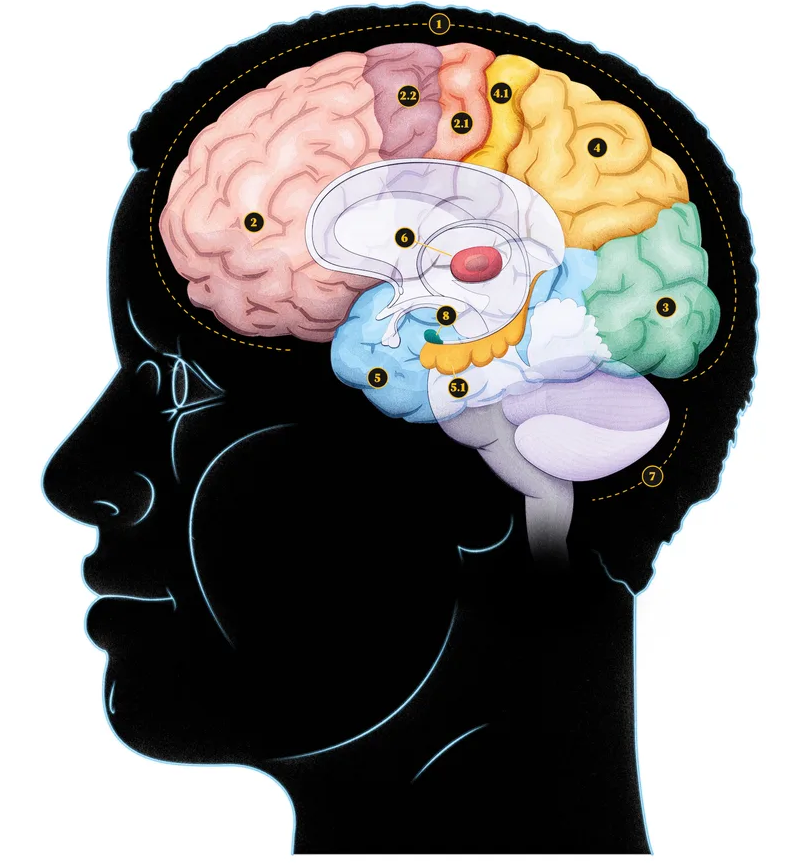
The brain stem connects the brain to the spinal cord and acts as a relay center, transmitting signals between the brain and the rest of the body. It also regulates involuntary functions that are essential for life. Because of this, even a small area of damage in the brain stem can have widespread and devastating effects.
Types of Brain Stem Stroke
Ischemic Brain Stem Stroke
This is the most common type and occurs when a blood clot blocks an artery supplying the brain stem. The clot may form within the artery itself or travel from another part of the body, such as the heart.
Hemorrhagic Brain Stem Stroke
This type occurs when a blood vessel in the brain stem ruptures, causing bleeding into surrounding tissue. High blood pressure is a major risk factor for this kind of stroke.
Causes and Risk Factors
Several underlying conditions and lifestyle factors can increase the risk of a brain stem stroke. Some of the most common include:
- High blood pressure (hypertension)
- Diabetes
- High cholesterol
- Smoking
- Heart disease
- Obesity
- Sedentary lifestyle
- Excessive alcohol consumption
In addition, certain rare conditions such as blood clotting disorders or arterial dissections can also lead to brain stem strokes, particularly in younger individuals.
Symptoms of Brain Stem Stroke
The symptoms of a brain stem stroke can vary widely depending on the specific area affected. Unlike strokes in other parts of the brain, brain stem strokes often affect both sides of the body and can interfere with vital functions.
Common Symptoms
- Sudden dizziness or vertigo
- Loss of balance and coordination
- Double vision or blurred vision
- Difficulty speaking (slurred speech)
- Trouble swallowing
- Weakness or numbness on one or both sides of the body
- Altered level of consciousness
Severe Symptoms
In more serious cases, a brain stem stroke can lead to:
- Paralysis of all four limbs (quadriplegia)
- “Locked-in syndrome,” where the patient is conscious but unable to move or communicate verbally
- Difficulty breathing, requiring mechanical ventilation
- Coma
Because these symptoms can overlap with less serious conditions like inner ear disorders, brain stem strokes are sometimes misdiagnosed, delaying critical treatment.
Diagnosis
Prompt diagnosis is essential for effective treatment. Doctors use a combination of clinical evaluation and imaging tests to confirm a brain stem stroke.
Medical History and Physical Examination
The doctor will assess symptoms, medical history, and risk factors. Neurological exams are performed to evaluate reflexes, muscle strength, coordination, and sensory function.
Imaging Tests
- CT Scan (Computed Tomography): Often the first test performed to detect bleeding in the brain.
- MRI (Magnetic Resonance Imaging): Provides more detailed images and is particularly useful for detecting ischemic strokes in the brain stem.
- CT or MR Angiography: Helps visualize blood vessels and identify blockages or abnormalities.
Additional Tests
- Blood tests to check for clotting disorders or risk factors
- Electrocardiogram (ECG) to assess heart function
- Echocardiogram to look for sources of blood clots
Treatment Options
Treatment depends on the type and severity of the stroke, as well as how quickly the patient receives medical care.
Emergency Treatment
For ischemic strokes, clot-busting medications such as tissue plasminogen activator (tPA) may be administered if the patient arrives within a specific time window (usually within 3–4.5 hours of symptom onset).
In some cases, doctors may perform mechanical thrombectomy, a procedure to physically remove the clot using specialized devices.
For hemorrhagic strokes, treatment focuses on controlling bleeding, reducing pressure in the brain, and stabilizing the patient. Surgery may be required in certain cases.
Supportive Care
Patients with brain stem strokes often require intensive care, including:
- Monitoring of vital signs
- Assistance with breathing (ventilator support)
- Nutritional support (feeding tubes)
- Prevention of complications such as infections or blood clots
Rehabilitation and Recovery
Recovery from a brain stem stroke can be a long and challenging process. The extent of recovery depends on the severity of the stroke and the speed of treatment.
Physical Therapy
Helps restore movement, strength, and coordination. Patients may need to relearn basic motor skills such as walking or sitting.
Speech and Swallowing Therapy
Speech therapists work with patients to improve communication skills and address swallowing difficulties.
Occupational Therapy
Focuses on helping patients regain independence in daily activities such as dressing, eating, and personal hygiene.
Psychological Support
Emotional and psychological challenges are common after a stroke. Counseling and support groups can help patients and their families cope with the changes.
Complications
Brain stem strokes can lead to a range of complications, including:
- Chronic pain
- Difficulty breathing
- Persistent swallowing problems
- Cognitive impairments
- Depression and anxiety
One of the most severe complications is locked-in syndrome, where patients are fully conscious but unable to move or speak, relying only on eye movements to communicate.
Prevention
Preventing a brain stem stroke involves managing risk factors and maintaining a healthy lifestyle.
Lifestyle Changes
- Eat a balanced diet rich in fruits, vegetables, and whole grains
- Exercise regularly
- Quit smoking
- Limit alcohol intake
- Maintain a healthy weight
Medical Management
- Control blood pressure through medication and lifestyle changes
- Manage diabetes effectively
- Lower cholesterol levels
- Take prescribed medications such as blood thinners if needed
Regular health check-ups are essential for early detection and management of risk factors.
When to Seek Medical Help
A brain stem stroke is a medical emergency. Immediate treatment can mean the difference between life and death, or between full recovery and permanent disability.
The acronym FAST (Face drooping, Arm weakness, Speech difficulty, Time to call emergency services) is commonly used to recognize stroke symptoms. However, brain stem strokes may not always present with these classic signs. Therefore, any sudden onset of dizziness, difficulty speaking, or loss of coordination should be taken seriously.
Conclusion
A brain stem stroke is a rare but extremely serious condition that demands immediate medical attention. Its impact can be devastating due to the critical functions controlled by the brain stem. However, advances in medical imaging, emergency treatment, and rehabilitation have improved outcomes for many patients.
Awareness is the first line of defense. Recognizing the symptoms early, seeking prompt medical care, and managing risk factors can significantly reduce the likelihood of severe complications. While recovery may be challenging, with proper treatment and support, many individuals can regain independence and improve their quality of life.
Understanding the gravity of a brain stem stroke underscores the importance of proactive health management and timely intervention. In matters of the brain, every second truly counts.