Details about diet to lose fat and gain muscle : Achieving the goal of losing fat while gaining muscle often called “body recomposition” is one of the most effective ways to improve both your physique and overall health. Unlike crash dieting or extreme bulking, this approach focuses on balancing nutrition, exercise, and recovery to transform your body sustainably. In this guide, you’ll learn exactly how to structure your diet to burn fat and build lean muscle at the same time.
What Does Body Recomposition Mean?
Body recomposition refers to the process of reducing body fat while increasing muscle mass simultaneously. Traditionally, people believed you had to either bulk (gain muscle with some fat) or cut (lose fat while risking muscle loss). However, with the right diet and training strategy, it’s possible to do both together.
This approach works best for:
- Beginners starting their fitness journey
- People returning after a long break
- Individuals with higher body fat percentages
The Role of Diet in Fat Loss and Muscle Gain
Your diet is the foundation of your transformation. Without proper nutrition, even the best workout routine won’t deliver results. To lose fat and gain muscle, you need to strike a balance between calorie control and nutrient intake.
Calorie Balance Matters
To lose fat, you must be in a slight calorie deficit consuming fewer calories than you burn. However, for muscle growth, your body still needs enough energy. That’s why a moderate calorie deficit (around 300–500 calories) works best.
Eating too little can:
- Slow down metabolism
- Cause muscle loss
- Reduce energy levels
Protein: The Most Important Nutrient
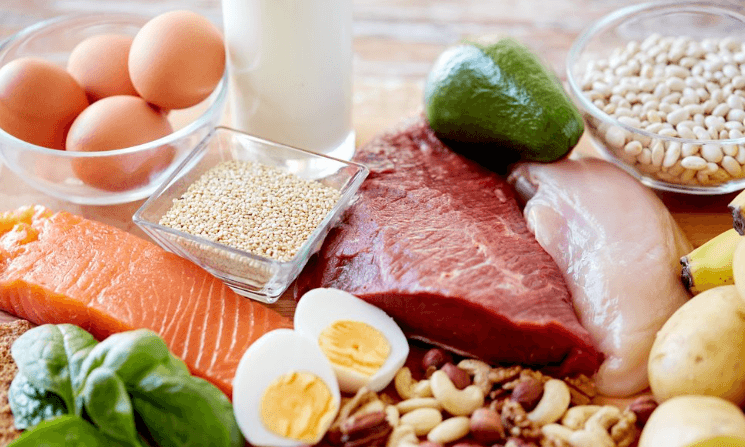
Protein plays a critical role in muscle repair and growth. It also helps keep you full, making it easier to maintain a calorie deficit.
How Much Protein Do You Need?
For fat loss and muscle gain:
- Aim for 1.6 to 2.2 grams of protein per kg of body weight
Best Protein Sources
- Chicken breast
- Eggs
- Fish (like salmon and tuna)
- Greek yogurt
- Lentils and beans
- Protein shakes
Spreading protein intake evenly throughout the day helps maximize muscle protein synthesis.
Carbohydrates: Fuel for Performance
Carbohydrates are often misunderstood. While low-carb diets can help with fat loss, carbs are essential for energy especially during workouts.
Smart Carb Choices
Focus on complex carbohydrates:
- Brown rice
- Oats
- Quinoa
- Sweet potatoes
- Whole grains
These provide sustained energy and help improve workout performance, which is crucial for building muscle.
Healthy Fats: Essential for Hormones
Dietary fats are important for hormone production, including testosterone, which plays a role in muscle growth and brain improvement
Include Healthy Fats Like:
- Avocados
- Nuts and seeds
- Olive oil
- Fatty fish
Keep fat intake moderate—about 20–30% of your total calories.
Meal Timing and Frequency
While total daily intake matters most, meal timing can enhance results.
Key Tips:
- Eat protein-rich meals every 3–4 hours
- Include carbs before and after workouts
- Don’t skip meals, especially breakfast
Post-workout nutrition is particularly important for recovery and muscle growth.
Hydration and Its Impact
Water is often overlooked but plays a vital role in fat loss and muscle gain.
Benefits of staying hydrated:
- Improves workout performance
- Supports metabolism
- Helps control appetite
Aim for at least 2.5 to 3 liters of water per day, more if you’re active.
Sample Diet Plan for Fat Loss and Muscle Gain
Here’s a simple daily meal plan to get started:
Breakfast
Oats with protein powder, banana, and almonds
Mid-Morning Snack
Greek yogurt with berries
Lunch
Grilled chicken, brown rice, and vegetables
Evening Snack
Boiled eggs or a protein shake
Dinner
Salmon or paneer, quinoa, and salad
Before Bed
Cottage cheese or milk
Importance of Strength Training
Diet alone isn’t enough—you must combine it with resistance training. Lifting weights signals your body to preserve and build muscle while losing fat.
Recommended Routine:
- Train 3–5 times per week
- Focus on compound movements (squats, deadlifts, bench press)
- Gradually increase weights (progressive overload)
Common Mistakes to Avoid
1. Eating Too Little
Extreme dieting can lead to muscle loss and slower metabolism.
2. Not Eating Enough Protein
Low protein intake reduces muscle growth and recovery.
3. Ignoring Strength Training
Cardio alone won’t build muscle effectively.
4. Expecting Fast Results
Body recomposition takes time consistency is key.
Supplements That Can Help
While not necessary, some supplements can support your goals:
- Whey protein: Convenient protein source
- Creatine: Improves strength and performance
- Multivitamins: Fill nutritional gaps
Always prioritize whole foods first.
How Long Does It Take to See Results?
Results vary depending on your starting point, diet, and consistency. Generally:
- Noticeable changes: 4–8 weeks
- Significant transformation: 3–6 months
Tracking progress through photos, measurements, and strength levels is more reliable than the scale alone.
Final Thoughts
Diet to lose fat and gain muscle for Losing fat and gaining muscle at the same time is completely achievable with the right approach. Focus on a balanced diet rich in protein, maintain a slight calorie deficit, and combine it with consistent strength training.
Remember, this is not a quick fix it’s a sustainable lifestyle change. Stay patient, stay consistent, and your body will transform over time.
If you want, I can also:
- Turn this into a rankable blog post with keywords
- Add SEO meta title & description
- Or customize a diet plan based on your weight and goal