If you’ve ever felt unusually tired after eating or experienced constant fatigue without a clear reason, you might wonder: does high blood sugar make you sleepy? The short answer is yes. High blood sugar, medically known as Hyperglycemia, can significantly affect your energy levels and leave you feeling sluggish or drowsy.
This article explores why high blood sugar causes sleepiness, the symptoms to watch for, and how to manage your blood sugar levels effectively for better energy and overall health.
What Is High Blood Sugar?
High blood sugar occurs when there is too much glucose circulating in your bloodstream. This is commonly associated with Diabetes, but it can also happen in people without diabetes due to poor diet, stress, illness, or lack of physical activity.
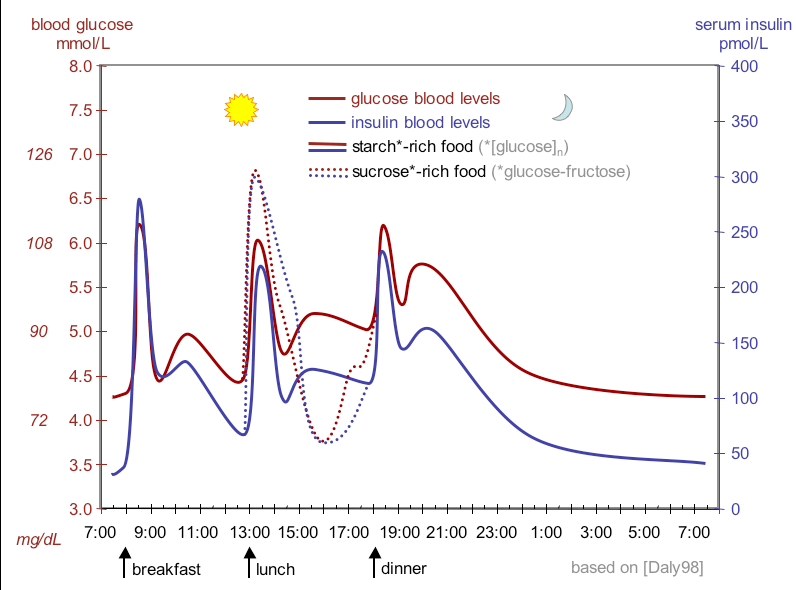
Normally, the hormone insulin helps move glucose from your blood into your cells, where it’s used for energy. However, when insulin doesn’t work properly or isn’t produced in sufficient amounts, glucose builds up in the blood instead of fueling your body.
Does High Blood Sugar Make You Sleepy?
Yes, high blood sugar can make you feel sleepy, fatigued, and mentally drained. While it might seem counterintuitive since sugar is often associated with energy the opposite can happen when blood sugar levels are too high.
Instead of energizing your body, excess glucose interferes with normal metabolic processes, leaving you feeling tired and lethargic.
Why Does High Blood Sugar Cause Sleepiness?
1. Cells Are Starved of Energy
Even though there’s plenty of glucose in your bloodstream, your cells may not be able to absorb it efficiently due to insulin resistance or lack of insulin. This results in an energy shortage at the cellular level, making you feel tired.
2. Dehydration from Frequent Urination
High blood sugar forces your kidneys to work harder to remove excess glucose through urine. This leads to frequent urination and dehydration, which can cause fatigue and sleepiness.
3. Blood Thickening and Reduced Circulation
When blood sugar levels are high, the blood can become thicker, making it harder to circulate oxygen and nutrients effectively. This can lead to feelings of sluggishness and low energy.
4. Hormonal Imbalances
High glucose levels can disrupt hormones that regulate energy, appetite, and sleep. This imbalance can make you feel drowsy during the day and restless at night.
5. Inflammation in the Body
Chronic high blood sugar can cause inflammation, which is linked to fatigue and decreased alertness. Over time, this can affect your overall energy levels and well-being.
Common Symptoms of High Blood Sugar
Sleepiness is just one symptom of hyperglycemia. Other common signs include:
- Excessive thirst
- Frequent urination
- Blurred vision
- Headaches
- Difficulty concentrating
- Dry mouth
- Unexplained fatigue
If these symptoms occur regularly, it may indicate an underlying issue with blood sugar regulation.
The Link Between Diabetes and Fatigue
People with Type 2 Diabetes often report persistent fatigue. This happens because their bodies either resist insulin or do not produce enough of it, leading to consistently high blood sugar levels.
Fatigue in diabetes can also be caused by:
- Fluctuating blood sugar levels
- Poor sleep quality
- Stress and emotional strain
- Nutritional deficiencies
Managing diabetes effectively can significantly improve energy levels and reduce daytime sleepiness.
When Does Sleepiness Become a Concern?
Occasional tiredness after a heavy meal is normal. However, frequent or extreme sleepiness especially when combined with other symptoms of high blood sugar should not be ignored.
You should consider seeking medical advice if:
- You feel tired most of the day despite adequate sleep
- You experience frequent urination and excessive thirst
- Your fatigue interferes with daily activities
- You have a family history of diabetes
Early detection and treatment can prevent complications and improve quality of life.
How to Manage High Blood Sugar and Reduce Sleepiness
1. Maintain a Balanced Diet
Focus on whole foods such as vegetables, fruits, whole grains, lean protein, and healthy fats. Avoid excessive intake of sugary and processed foods that can spike blood sugar levels.
2. Stay Hydrated
Drinking enough water helps your body flush out excess glucose and prevents dehydration-related fatigue.
3. Exercise Regularly
Physical activity improves insulin sensitivity, allowing your cells to use glucose more effectively. Even a daily 30-minute walk can make a big difference.
4. Monitor Blood Sugar Levels
If you are at risk or have diabetes, regularly checking your blood sugar can help you understand how your body responds to different foods and activities.
5. Get Quality Sleep
Poor sleep can worsen blood sugar control. Aim for 7–9 hours of quality sleep each night to support overall health.
6. Manage Stress
Stress hormones can increase blood sugar levels. Techniques like meditation, deep breathing, and yoga can help keep stress in check.
Foods That Help Stabilize Blood Sugar
Including the right foods in your diet can help prevent spikes and crashes in blood sugar:
- Leafy green vegetables
- Whole grains like oats and brown rice
- Nuts and seeds
- Lean proteins such as chicken and fish
- Low-glycemic fruits like berries
These foods provide sustained energy and reduce the likelihood of fatigue.
Can Low Blood Sugar Also Make You Sleepy?
Interestingly, low blood sugar known as Hypoglycemia can also cause sleepiness. However, the mechanism is different.
In hypoglycemia, your body lacks sufficient glucose for energy, leading to symptoms like:
- Weakness
- Shakiness
- Sweating
- Confusion
- Drowsiness
Maintaining stable blood sugar levels is key to avoiding both high and low extremes.
Long-Term Effects of Uncontrolled High Blood Sugar :
If left unmanaged, chronic hyperglycemia can lead to serious health complications, including:
- Nerve damage (neuropathy)
- Kidney disease
- Vision problems
- Cardiovascular disease
These conditions can further contribute to fatigue and reduced quality of life.
Practical Tips to Stay Energized :
- Eat smaller, more frequent meals to avoid blood sugar spikes
- Avoid sugary drinks and opt for water or herbal teas
- Combine carbohydrates with protein or fat for better absorption
- Take short breaks during the day to stay active
- Track your symptoms and identify patterns
Small lifestyle changes can have a big impact on your energy levels.
Conclusion :
So, does high blood sugar make you sleepy? Absolutely. High blood sugar, or Hyperglycemia, can disrupt your body’s ability to use energy efficiently, leading to fatigue, drowsiness, and reduced alertness.
Whether caused by Diabetes or lifestyle factors, managing your blood sugar is essential for maintaining consistent energy levels and overall health.
By adopting healthy habits such as balanced eating, regular exercise, proper hydration, and stress management, you can keep your blood sugar in check and feel more energized throughout the day.
If persistent sleepiness is affecting your daily life, consider consulting a healthcare professional for proper evaluation and guidance.