Paneer Nutrition: Paneer also known as Indian cottage cheese, is a staple in many South Asian households. Loved for its mild flavor, soft texture, and versatility, paneer is not just delicious it’s also packed with essential nutrients. Whether you’re a vegetarian looking for protein-rich foods or someone aiming to eat healthier, paneer can be a valuable addition to your diet.
In this detailed guide, we’ll explore paneer nutrition, its health benefits, calorie content, and how to incorporate it into your meals.
What is Paneer?
Paneer is a fresh, non-aged cheese made by curdling milk with an acidic agent like lemon juice or vinegar. Unlike many cheeses, paneer does not melt, making it perfect for cooking in curries, stir-fries, and grilled dishes.
It is widely used in Indian cuisine in dishes like:
- Paneer butter masala
- Palak paneer
- Paneer tikka
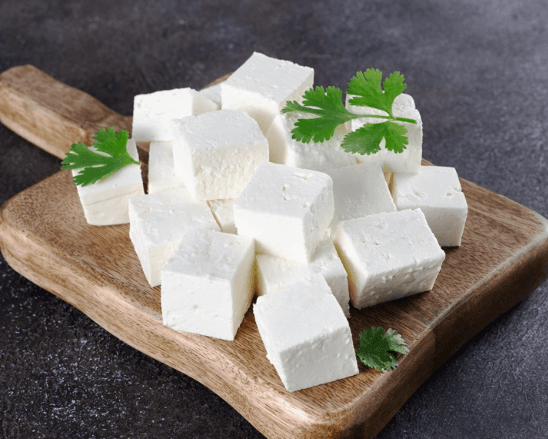
Paneer Nutrition Value (Per 100 grams)
Below is a detailed breakdown of paneer nutrition:
| Nutrient | Amount (Per 100g) |
|---|---|
| Calories | 265 kcal |
| Protein | 18 g |
| Fat | 20 g |
| Carbohydrates | 1.2 g |
| Calcium | 208 mg |
| Phosphorus | 138 mg |
| Magnesium | 8 mg |
| Potassium | 138 mg |
| Vitamin A | 210 IU |
| Vitamin B12 | 0.8 µg |
Key takeaway: Paneer is high in protein and fat while being low in carbohydrates, making it suitable for low-carb and keto diets.
Macronutrient Breakdown of Paneer
Protein Content
Paneer is an excellent source of high-quality protein, especially important for vegetarians.
- Helps in muscle growth and repair
- Supports metabolism
- Keeps you full for longer
Fat Content
Paneer contains healthy fats, but the amount depends on the milk used.
| Type of Paneer | Fat Content |
|---|---|
| Full-fat paneer | High |
| Low-fat paneer | Moderate |
| Homemade paneer | Varies |
While fats provide energy, moderation is important for weight management.
Carbohydrates
Paneer is very low in carbohydrates, making it ideal for:
- Diabetic individuals
- Keto diet followers
- Low-carb diets
Health Benefits of Paneer
1. Excellent Source of Protein
Paneer provides complete protein containing all essential amino acids. This is especially beneficial for vegetarians who may lack diverse protein sources.
2. Supports Bone Health
Paneer is rich in calcium and phosphorus, both essential for:
- Strong bones and teeth
- Prevention of osteoporosis
3. Aids in Weight Management
Despite being calorie-dense, paneer helps in weight loss when eaten in moderation due to:
- High protein content
- Increased satiety
- Reduced cravings
4. Good for Heart Health (When Consumed Wisely)
Low-fat paneer can support heart health by:
- Reducing bad cholesterol intake
- Providing essential nutrients without excess saturated fat
5. Helps Control Blood Sugar
Paneer has a low glycemic index, which means:
- It does not cause rapid spikes in blood sugar
- Suitable for diabetics in controlled portions
Paneer vs Other Protein Sources
Here’s how paneer compares with other common protein-rich foods:
| Food Item | Protein (per 100g) | Calories |
|---|---|---|
| Paneer | 18 g | 265 kcal |
| Chicken Breast | 31 g | 165 kcal |
| Eggs | 13 g | 155 kcal |
| Tofu | 8 g | 76 kcal |
Conclusion: Paneer is a strong vegetarian protein option, though slightly higher in calories and fat than lean meats.
Paneer for Weight Loss
Paneer can be included in a weight-loss diet if consumed properly.
Tips for Using Paneer in Weight Loss:
- Choose low-fat paneer
- Avoid deep-fried paneer dishes
- Pair with vegetables for balanced meals
- Control portion size (50–100g per serving)
Best Paneer Recipes for Weight Loss:
- Grilled paneer with vegetables
- Paneer salad
- Stir-fried paneer with spices
Paneer for Muscle Building
Paneer is popular among fitness enthusiasts and bodybuilders.
Why Paneer is Good for Muscle Growth:
- Rich in casein protein (slow-digesting)
- Provides sustained amino acid release
- Ideal for nighttime consumption
When to Eat Paneer for Muscle Gain:
| Time | Benefit |
|---|---|
| Post-workout | Muscle recovery |
| Before bed | Sustained protein supply |
Paneer and Digestibility
Paneer is generally easy to digest compared to many other dairy products because:
- It contains lower lactose levels
- It is fresh and unprocessed
However, people with lactose intolerance should consume it cautiously.
Homemade vs Store-Bought Paneer
| Factor | Homemade Paneer | Store-Bought Paneer |
|---|---|---|
| Freshness | High | Moderate |
| Preservatives | None | May contain |
| Nutrition | More natural | Slightly processed |
| Taste | Better | Consistent |
Tip: Homemade paneer is usually healthier and more nutritious.
How to Include Paneer nutritioin Your Diet
Paneer is incredibly versatile. Here are some easy ways to include it:
Breakfast Options
- Paneer stuffed paratha
- Paneer sandwich
- Paneer bhurji
Lunch/Dinner Ideas
- Paneer curry
- Paneer stir-fry
- Paneer pulao
Snacks
- Grilled paneer cubes
- Paneer tikka
- Paneer salad
Recommended Daily Intake of Paneer
The ideal intake depends on your dietary goals:
| Goal | Recommended Intake |
|---|---|
| General health | 50–100 g/day |
| Weight loss | 50 g/day |
| Muscle gain | 100–150 g/day |
Potential Side Effects of Paneer
While paneer is nutritious, excessive consumption may lead to:
- Weight gain due to high fat content
- Digestive issues in lactose-sensitive individuals
- Increased cholesterol if consumed in large amounts
Moderation is key.
Is Paneer Good for Everyone?
Paneer is suitable for most people, including:
- Vegetarians
- Fitness enthusiasts
- Children (for growth)
- Elderly (for bone health)
However, people with dairy allergies should avoid it.
Conclusion
Paneer is a nutrient-rich, protein-packed food that offers numerous health benefits. From supporting muscle growth to improving bone health, it serves as an excellent addition to a balanced diet especially for vegetarians.
While it is calorie-dense, mindful consumption can help you enjoy its benefits without unwanted weight gain. Whether you’re aiming for weight loss, muscle gain, brain health, or simply a healthier lifestyle, paneer can be a versatile and delicious ally in your nutrition plan.